
Working on our environmental footprint
Taking our environmental footprint into account is something we do at the property, but we also share the responsibility with our providers. We therefore select our suppliers on the strength of their real and devoted environmental commitment.
Some examples:
- Our bottle supplier provides us with bottles manufactured using 80% recycled glass.
- Closures made of natural cork play a major role in our overall carbon footprint. Did you know that cork production cleans the atmosphere by absorbing seven times more carbon than it emits? Natural cork manufacturers therefore have a beneficial carbon footprint.
- Our concrete tanks were built using spring water.
- Our cooper only works with timber from PEFC-accredited, sustainably managed forests.
On the property, we pay special attention to our vine husbandry techniques.
We till our soil with ploughs; we use no weedkillers or chemical fertilizers.
Four basic principles guide our choices with regard to production technologies:
- To maintain freedom in deciding and embracing choices as requirements dictate.
- To protect and promote biodiversity.
- Not to pursue a production specification, but to aim at making a great wine that is free of pesticide residue and beneficial for health.
- To promote the expression of our terroir in our wines by highlighting their minerality and aromatic purity.
Recognition of our heritage
Since our heritage is the foundation of what we do at Château Laroze, we have applied for recognition as an Entreprise du Patrimoine Vivant (Living Heritage Business).
Our 400-year-old history also gives us the opportunity in the coming months to apply for recognition as an Entreprise Familiale Centenaire (hundred-year-old family company).
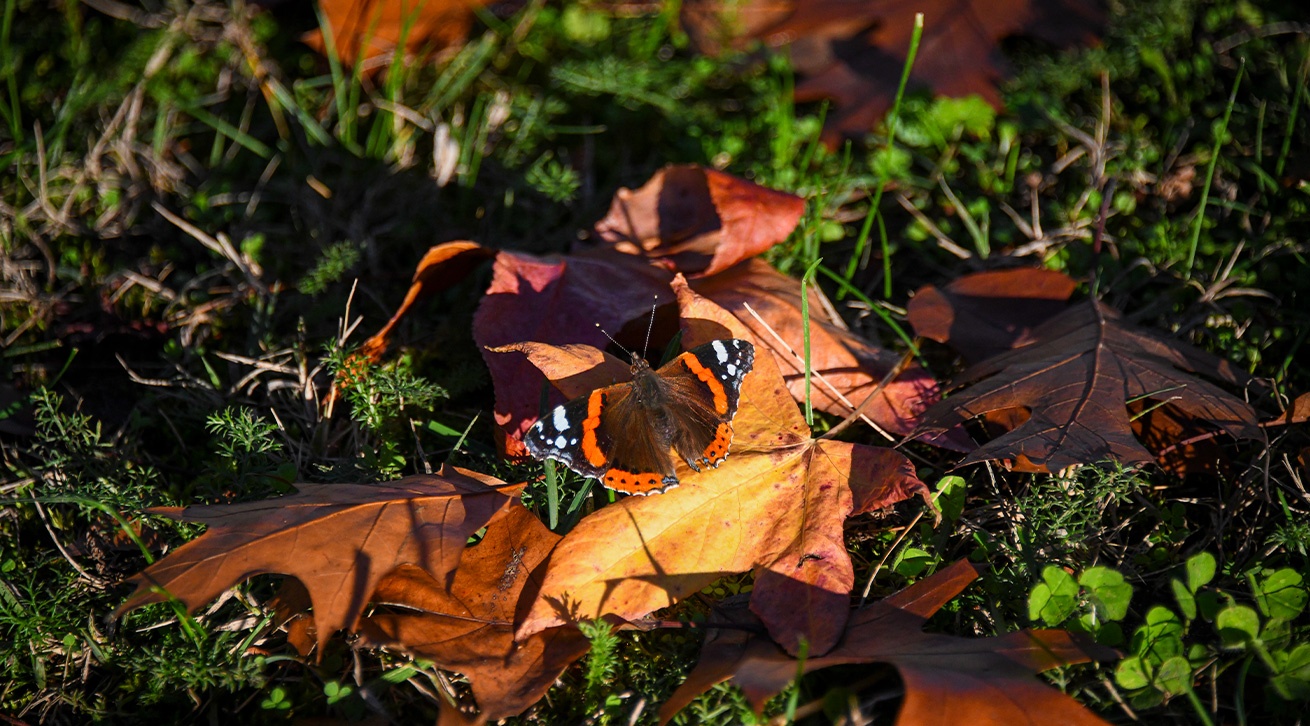
“Accepting the challenge of delivering purity in the glass without ever disturbing the natural balances of the ecosystem in the vineyard, because one cannot exist without the other.”
“Accepting the challenge of delivering purity in the glass without ever disturbing the natural balances of the ecosystem in the vineyard, because one cannot exist without the other.”